What’s Up With Our Public Transportation? D.C. Trip, Urban Tech, and the Future

Owen Fuesel — March 2026
As an undergrad at the University of Michigan, studying Urban Technology, I spend much of my time studying the urban systems that surround us. This includes the systems we don’t see, like energy and waste, and those that we see and interact with, like public transportation. Public transit is particularly interesting to me. The United States generally struggles to fund, build, and maintain public transit systems like those that exist in virtually every other part of the world. This struggle comes from a lack of political will and a lack of discussion around the topic. But this is starting to change. In recent years, the conversation around how we move around our cities has shifted more into the mainstream. A conglomeration of young activists and experienced transit experts is offering fresh energy in the fight for more public transit, and everyone stands to benefit. Young people in particular rely on public transit to access work, entertainment, and retail, and most American cities require a car to do any of those things. As young people face unaffordability in many aspects of everyday life, it is crucial that our federal and state governments invest in public transit projects.
Nebraska is experiencing brain drain, a phenomenon where educated professionals are leaving the state in search of better job opportunities and improved quality of life. In particular, young people are leaving the state for higher education and job opportunities. The accessibility of our cities plays a key role in how comfortable someone feels living and working there. Our cities are not accessible without a car, and it is time that our elected leaders realize that Nebraska’s car-centricness and general inaccessibility is contributing to that brain drain. If they want to reverse the trend, they will need to intentionally invest in transportation systems like trains and buses that will get young people to places of work, entertainment, and leisure without forcing them into cars. We need to focus on people-centric design, which requires working with communities to move forward, rather than designing for them. Building out equitable, accessible systems will spur economic activity and cultural development, and encourage young people to stay in Nebraska. By no means is this the only factor contributing to our state’s brain drain, but it is an important one that often goes unacknowledged.
So what’s being done about our lack of public transit? A few things. Recently, I’ve had the chance to meet some of the people doing work on this front, and I’ve managed to take away at least one key point: despite the chaos of this moment, the work to expand public transit and better our communities has not stopped. In fact, we’re at an inflection point of sorts in how cities are designed. I’d like to offer three key pieces of evidence.
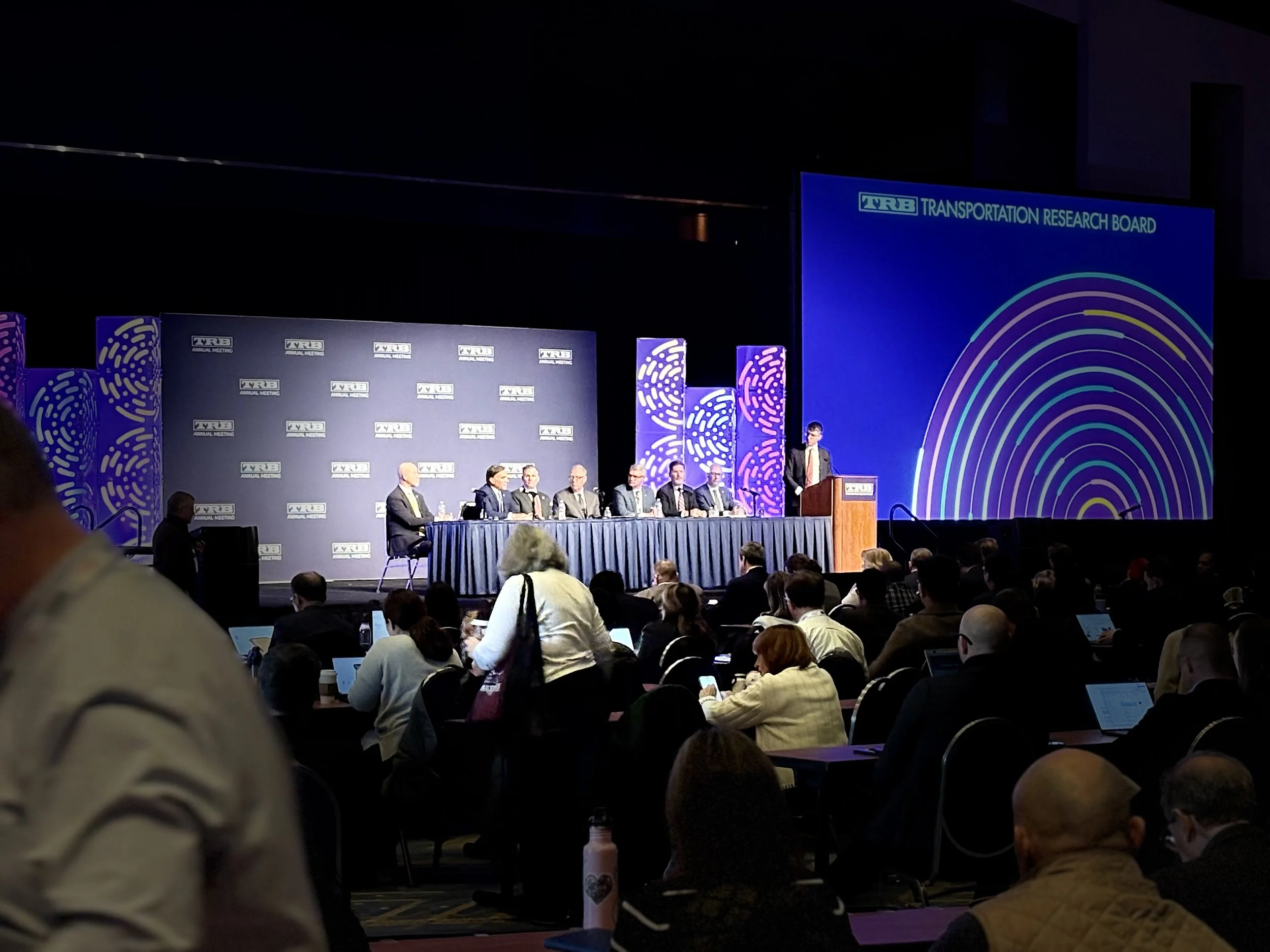
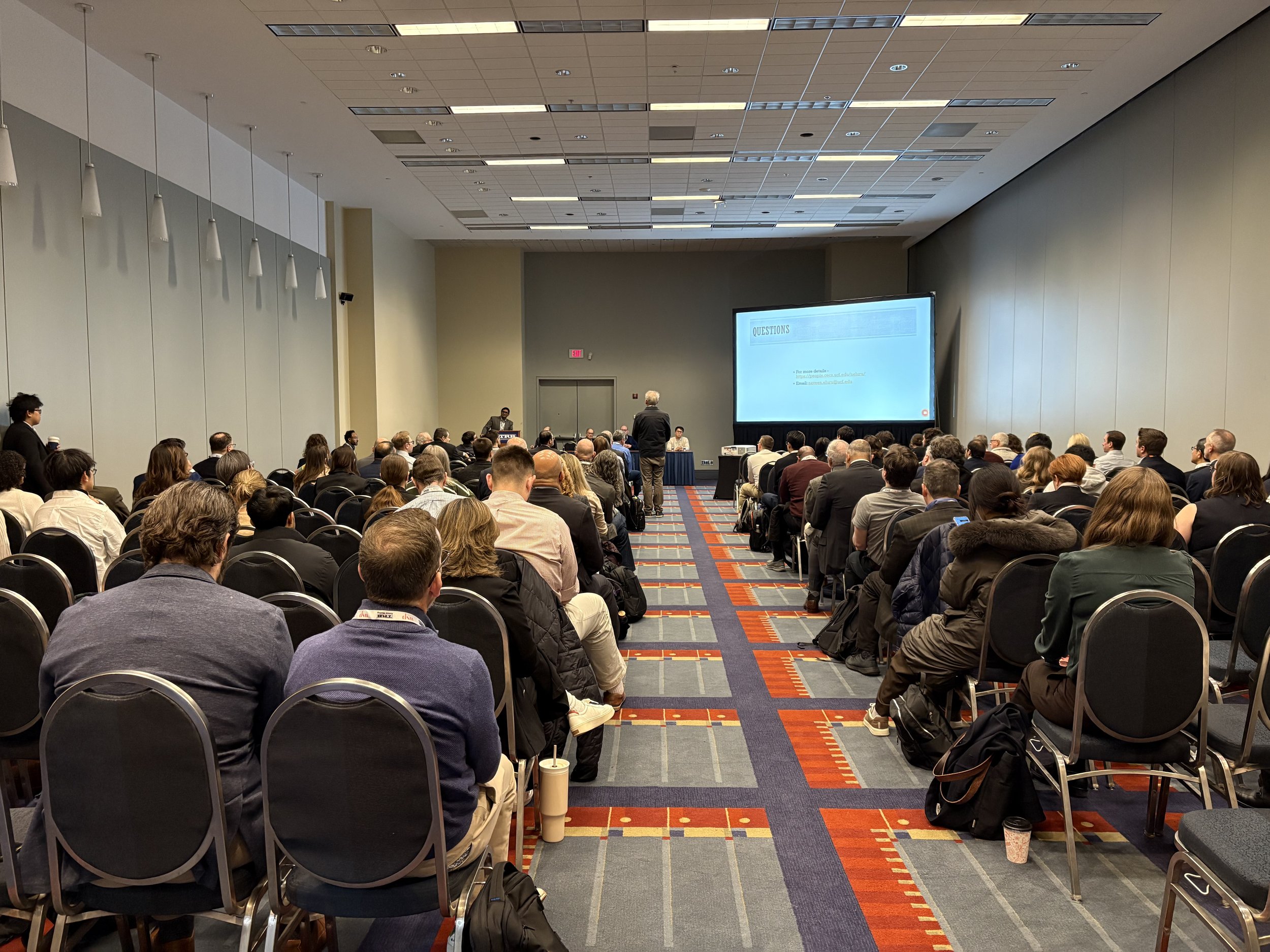
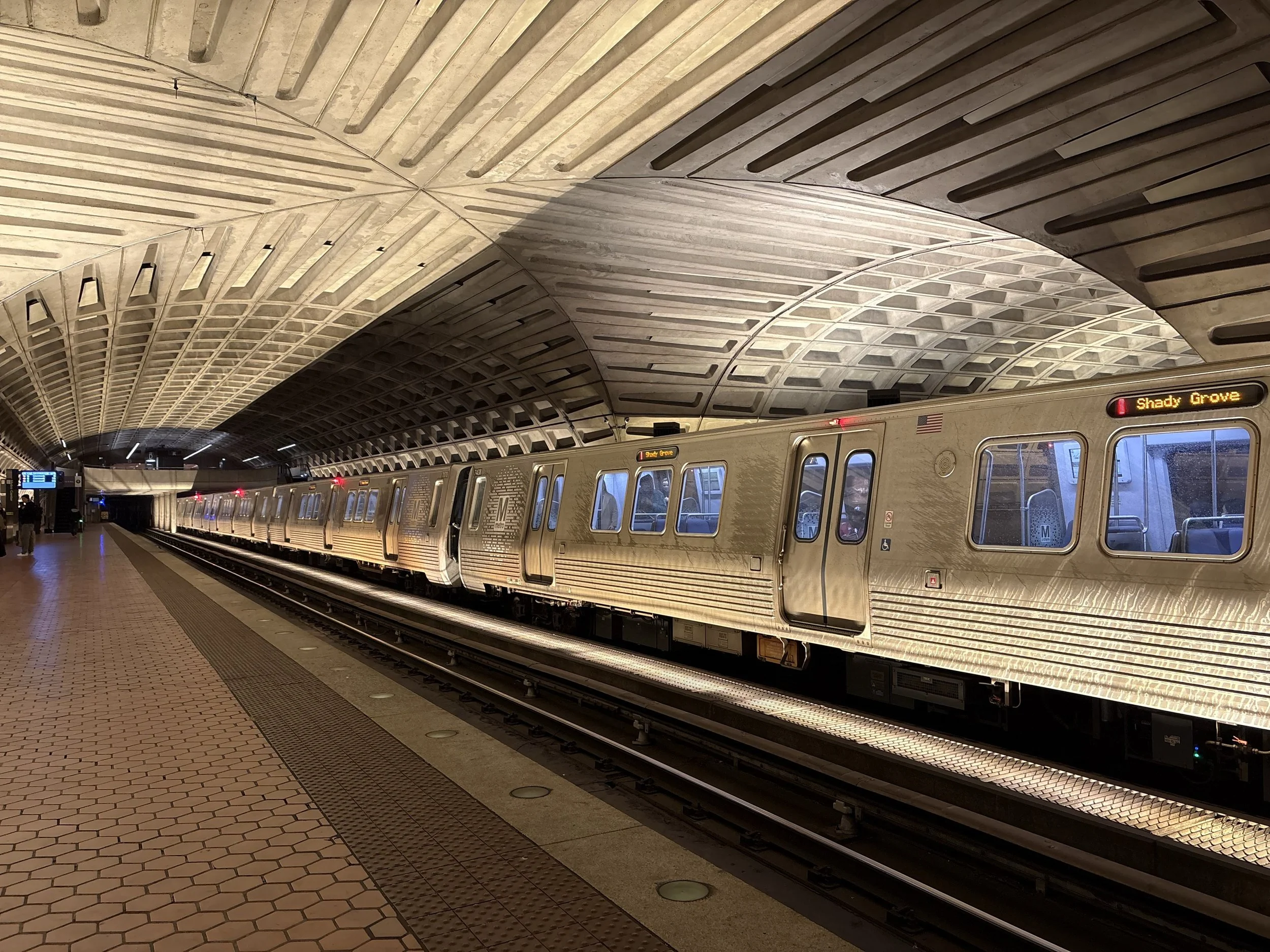
In early January, I had the opportunity to attend the Transportation Research Board (TRB) Annual Meeting in Washington, D.C. The conference is the largest of its kind, and it brings together leaders and innovators in all levels of government and the fields of tech, planning, and consulting to share ideas and explore the latest transportation technology and policy. At the conference, I spoke to state Department of Transportation leaders and Federal Railroad Administration staff. These public servants work to collect transit data that helps shape how we improve and expand our transit systems, fulfill initiatives of the federal and state administrations (like funding new bike paths or light rail projects), distribute funding appropriated by Congress to research programs at universities and private companies, and adhere to applicable regulations in transportation project development. At one session, I asked a staff member from the Texas Department of Transportation about Texas High Speed Rail, a project aimed at taking cars off the interstate between Houston and Dallas. The project has come under fire from some politicians despite its clear benefits. I asked what the status of the project was from the perspective of the Texas D.O.T., to which they replied that “everyone expects it to happen, it’s just a matter of when”. To me, that’s a clear sign that despite the chaos we read about on social media and in the news, behind the scenes things are still working and progressing.

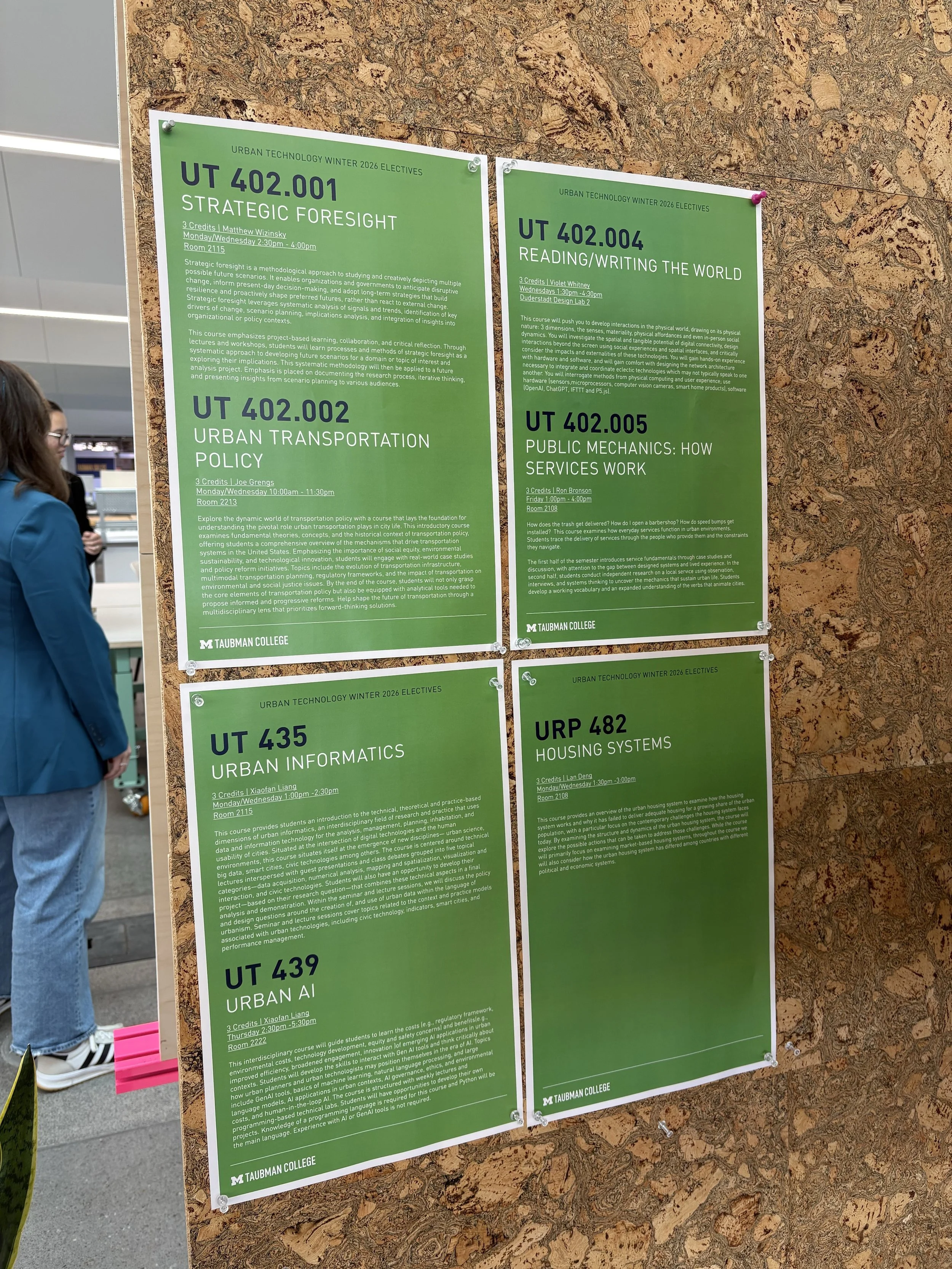
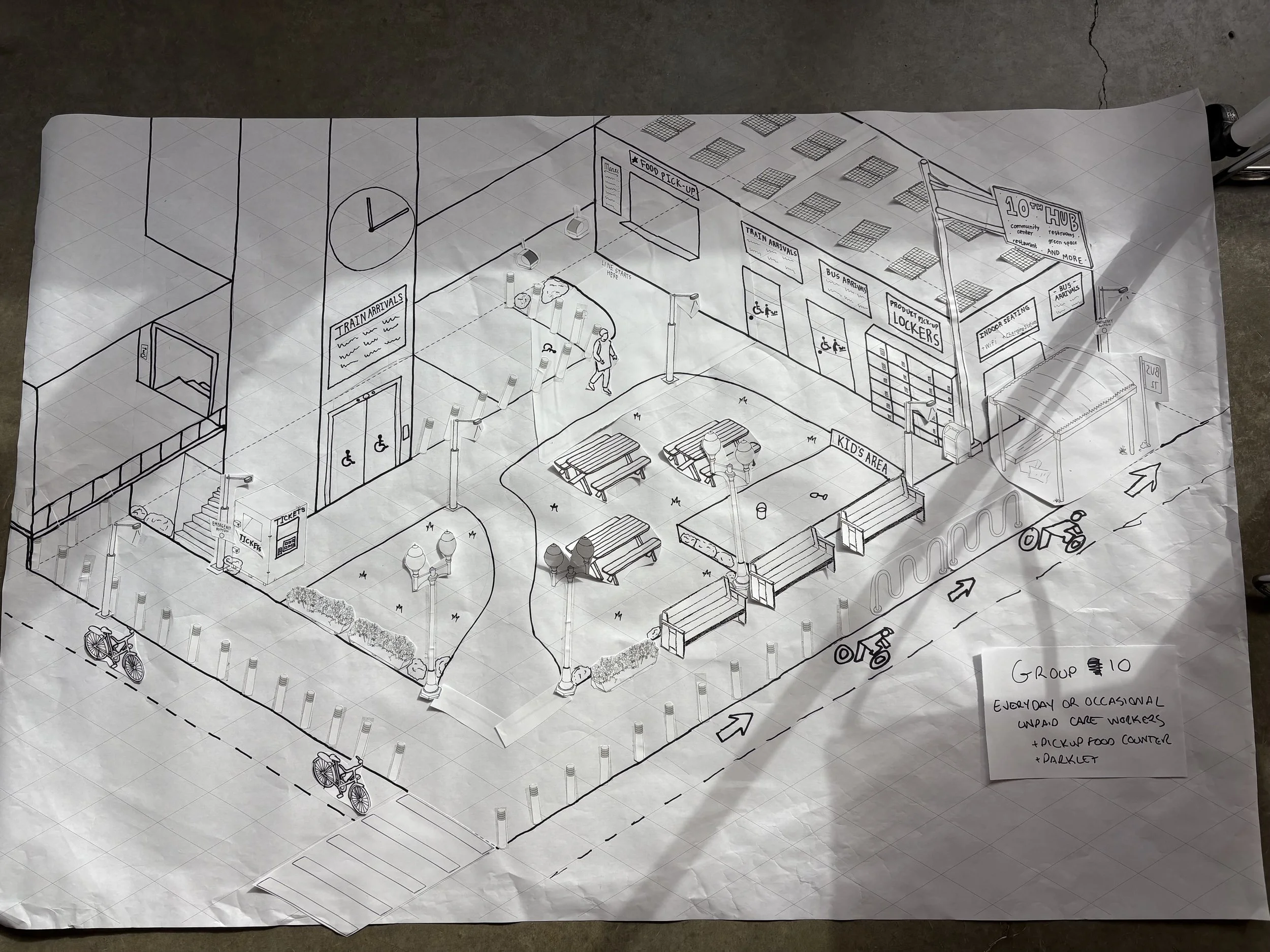
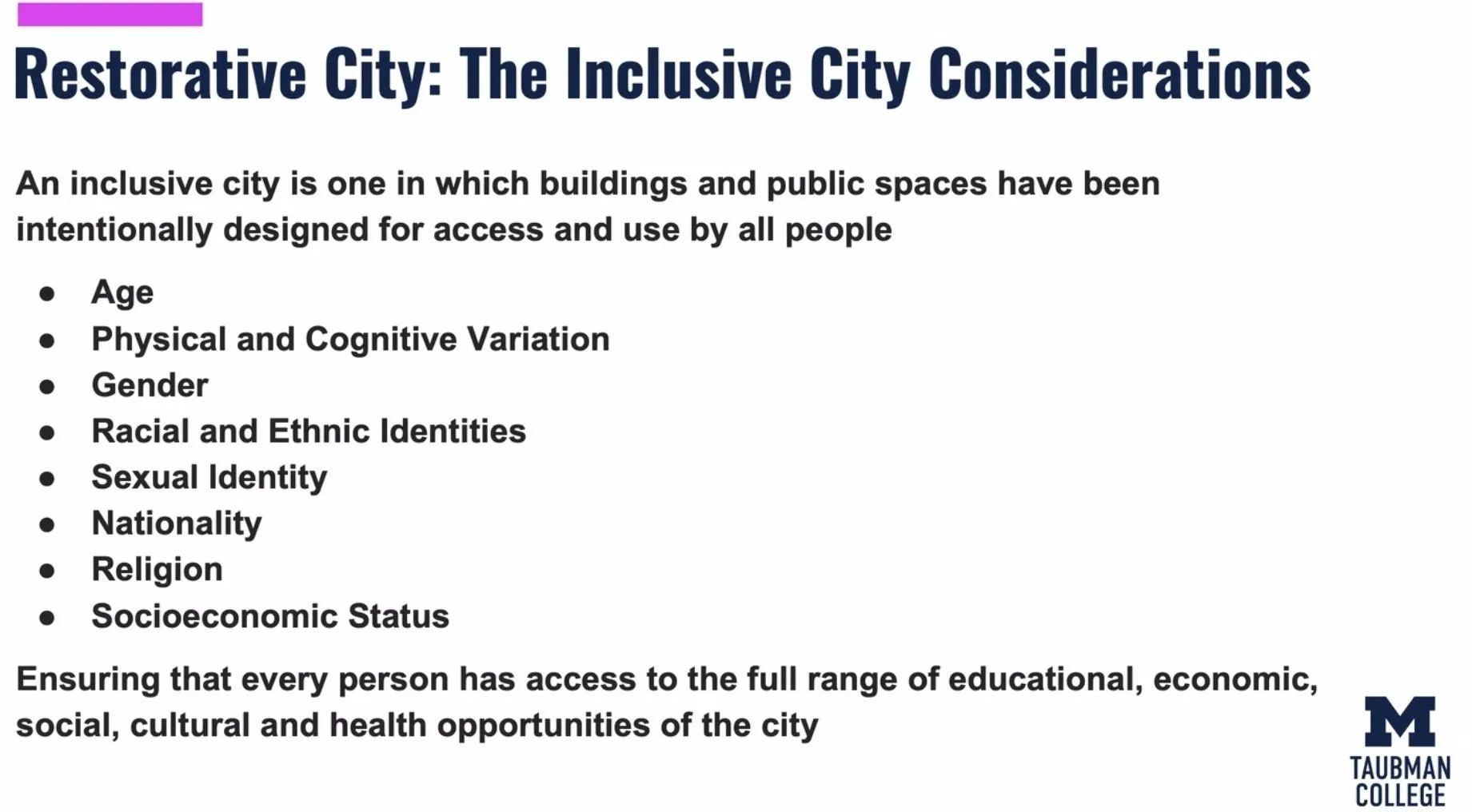
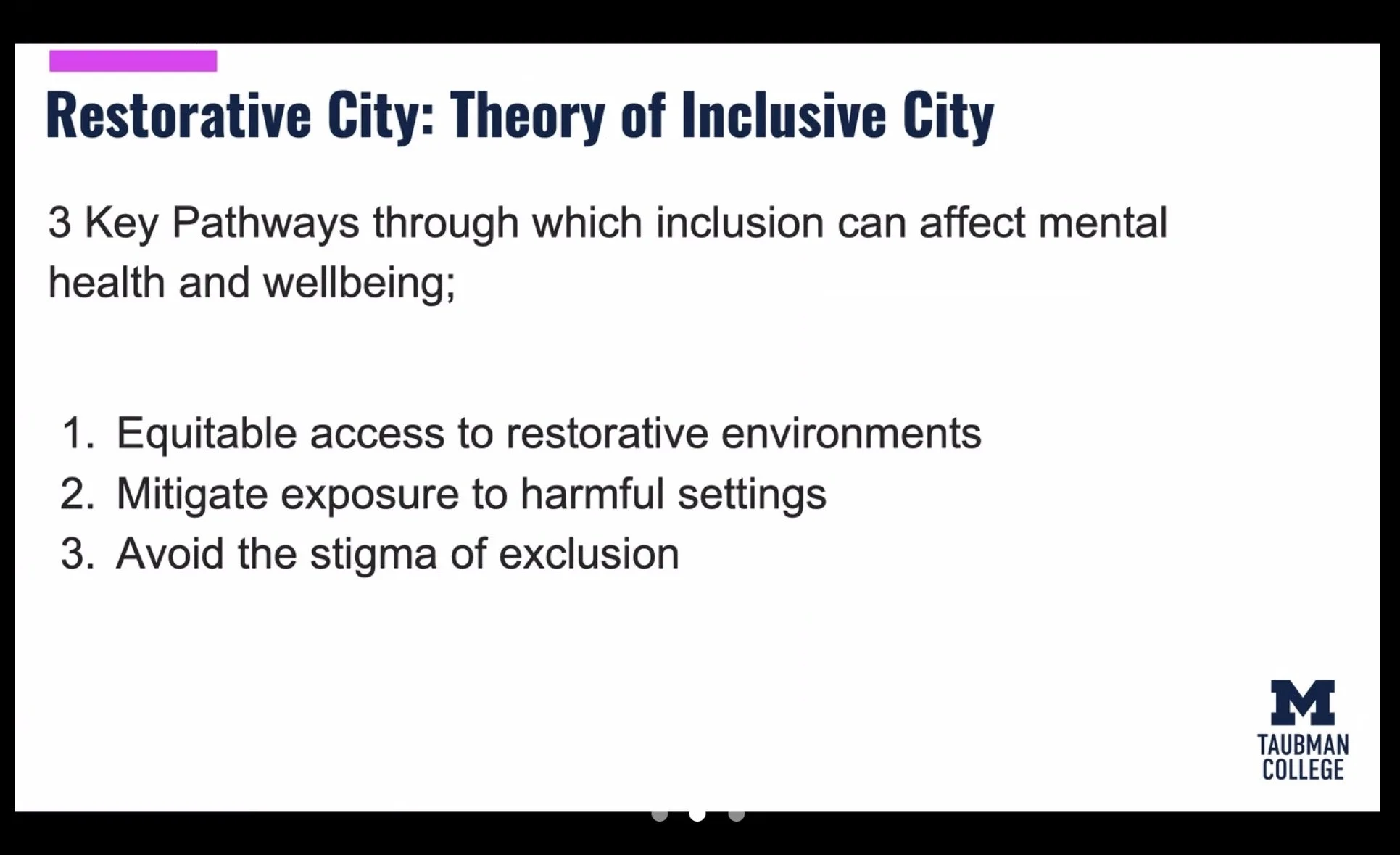
The most interesting part of my degree is the fresh perspective on urban planning. For years, urban planning was used as a mechanism to shift undesirable people and communities to the fringes of society, prioritizing speed, mobility, and progress over equity, accessibility, and collective benefit. This attitude particularly hurt minority groups and stunted the growth and prosperity of our cities. Today’s thinking is “work with communities, not for them”. After all, an urban planner’s job is to make a city better for the people living there; why shouldn’t everyone have a voice? That philosophy didn’t exist in the 50s and 60s when the Interstate Highway System was tearing through minority communities and small town America. Today, it’s the urban planner’s job to physically meet the community where they are and try to hear from as many people as possible. We, the general public, have a greater influence over the design of our cities than ever, and we should take advantage. And in places where vulnerable populations aren’t being heard, we should advocate hard for that to change.
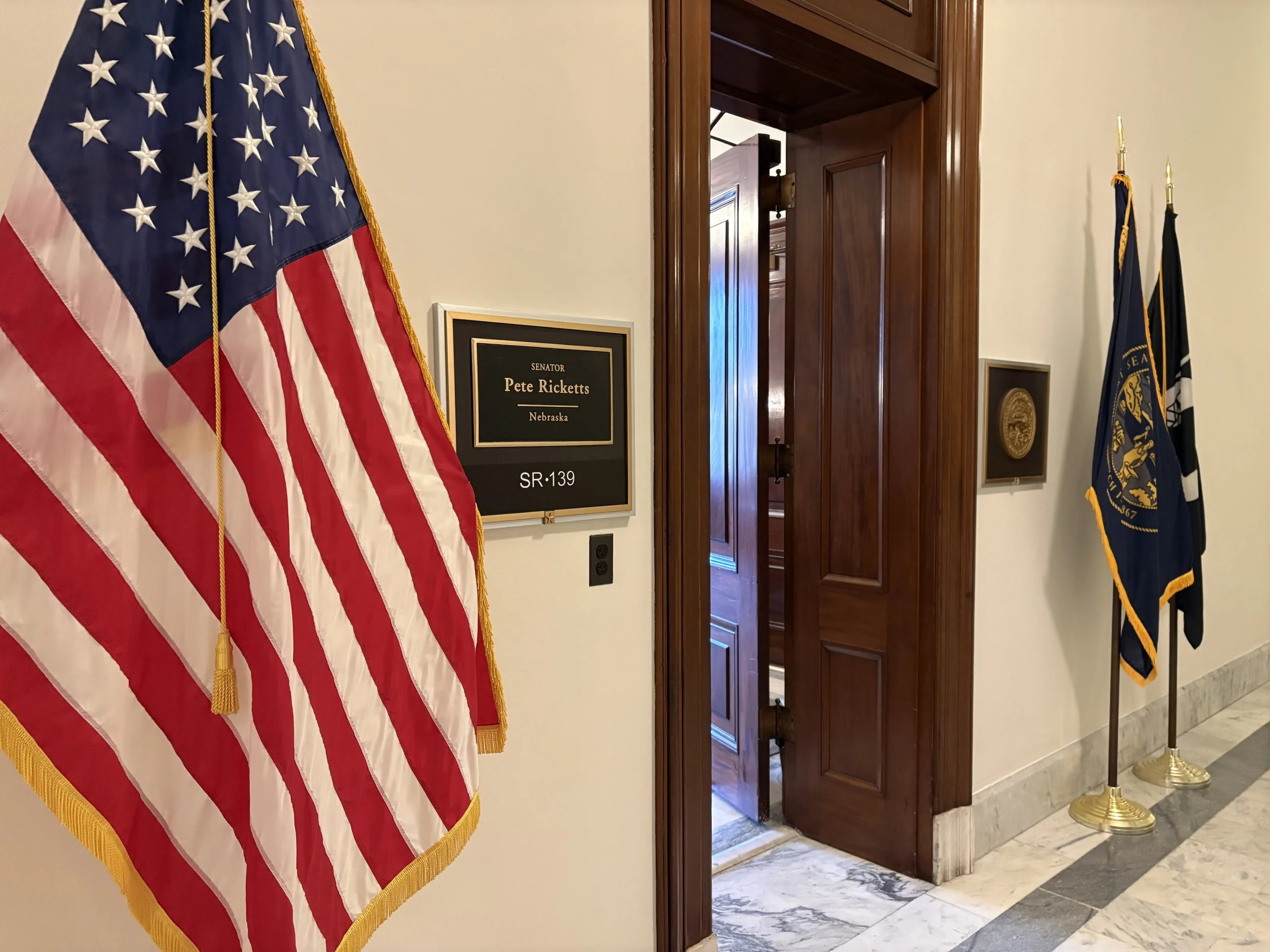
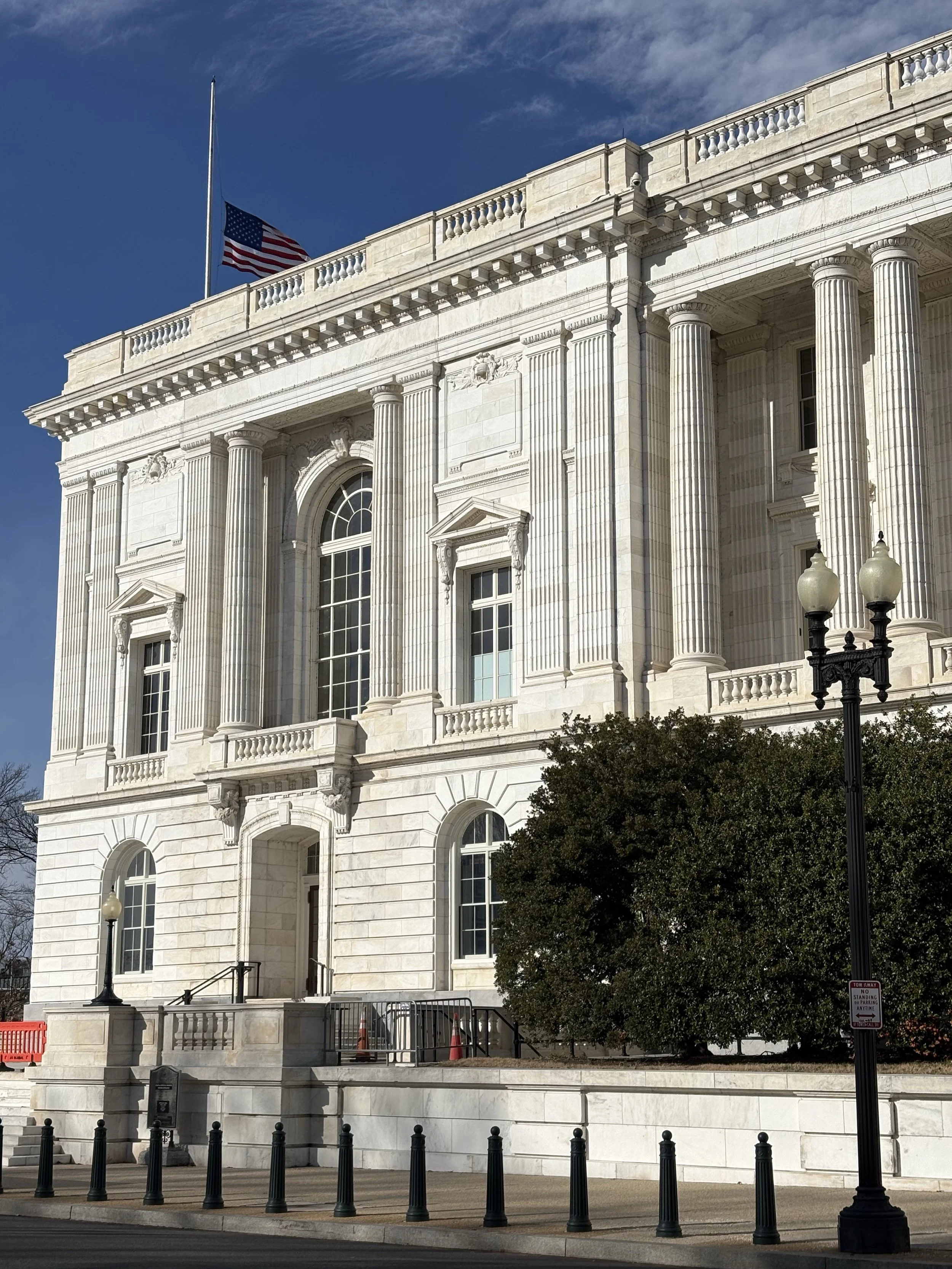
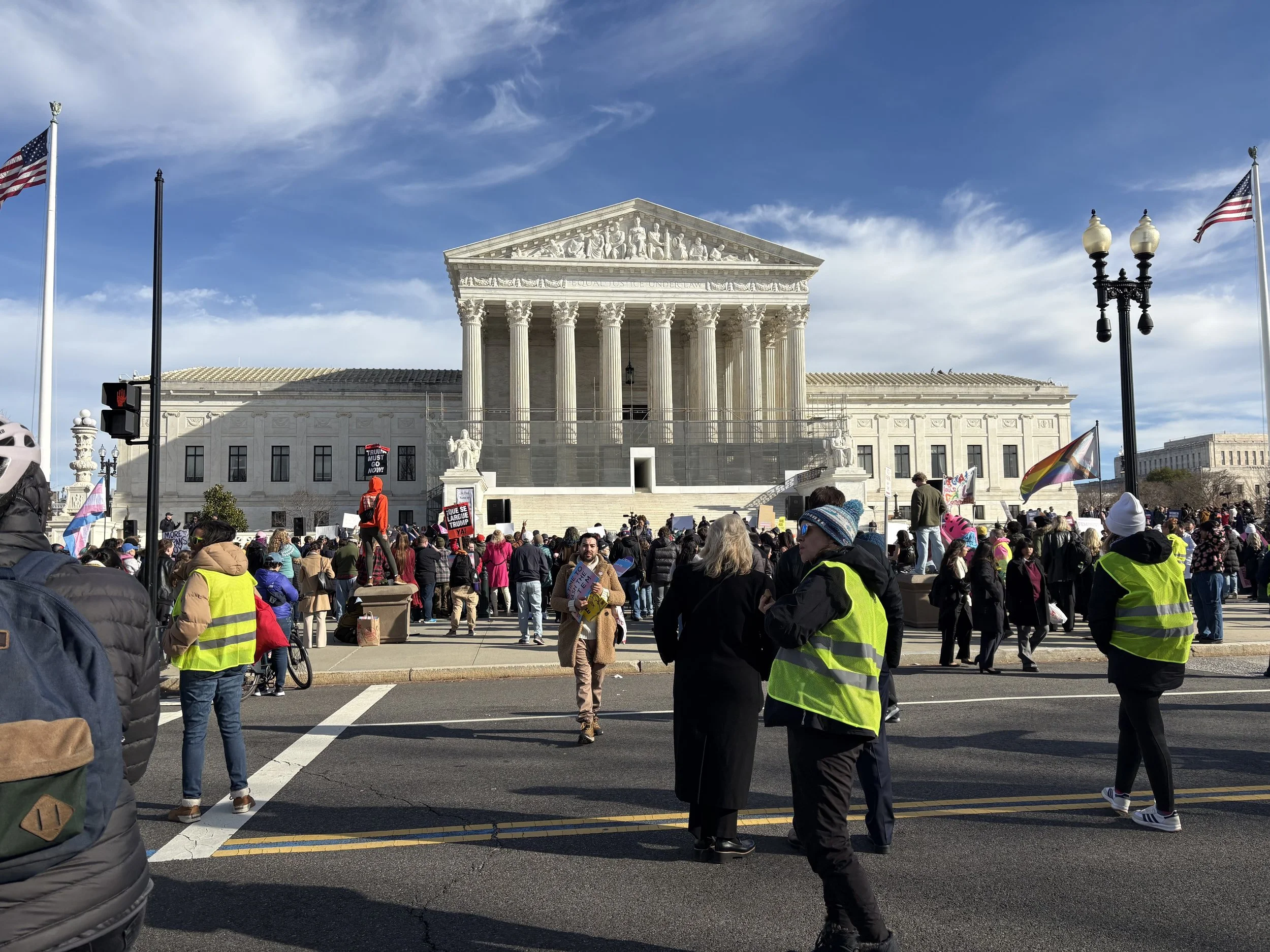
While I was in D.C., I also took the opportunity to speak with staff in the offices of Representative Don Bacon of Nebraska’s 2nd District and Nebraska Senators Pete Ricketts and Deb Fischer. While public transit projects often begin at the local level—think of Omaha’s streetcar project or the ORBT Rapid Bus line which was envisioned by the Regional Metropolitan Transit Authority of Omaha (known as Metro Transit)—federal funding is often required for a project to be fully funded. I told all three offices that Nebraskans have an appetite for new public transportation options. Representative Bacon’s office was the most receptive. I had a thirty-minute discussion with the Representative’s legislative aide about the need for new federal investment in Nebraska’s public transit. The aide pointed to recent federal funding “earmarks” secured by the Congressman for airport, road, and bike lane projects in his district. This information is publicly available online for anyone to view. Unfortunately, little money for new bus or rail services is earmarked for Nebraska in the current funding cycle. However, the Rep. Bacon’s aide made it clear that I could stay in touch with his office about the projects I want to see funding for. Reviving public transit in Nebraska is not as easy as one call, but letting those in power know what we want is a good first step. This is to say, we all have a voice, if only we use it.
Overall, I’m optimistic about the future of public transportation both nationally and in Nebraska. I hope this blog instilled some of that optimism in you, and I hope you feel empowered to use your voice by reaching out to your elected officials or attending a local meeting about public transportation. NEw Voices will be adding resources to help you get involved on our website in the coming months, so keep an eye out!